Satara Wild Veggies | Navbar

Wild Vegetables: Natureโ€™s Gift

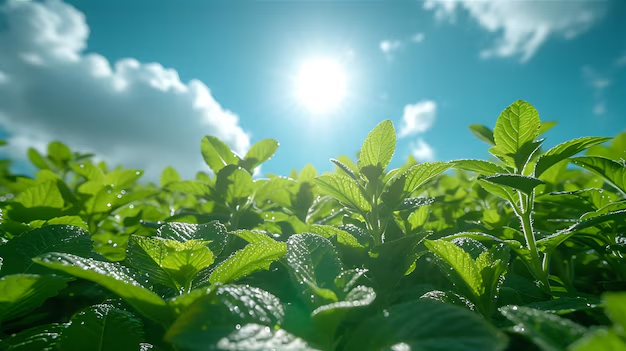
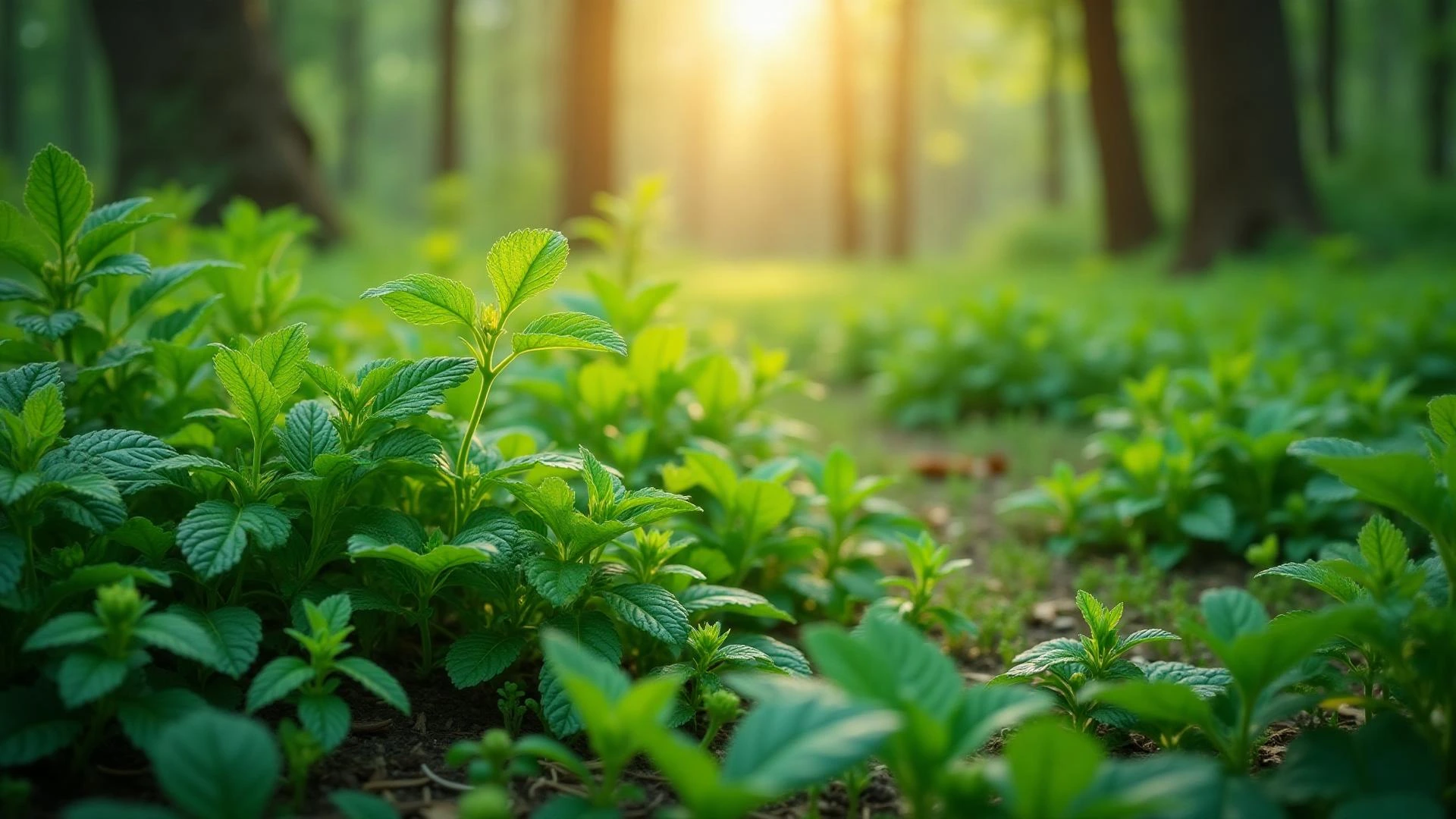
In the hills, valleys, field edges, and grasslands around us, many plants emerge with the arrival of the monsoon. These naturally growing plants are known as โ€œwild vegetables.โ€ Since they grow without chemical fertilizers, they are pure, healthy, and highly nutritious.

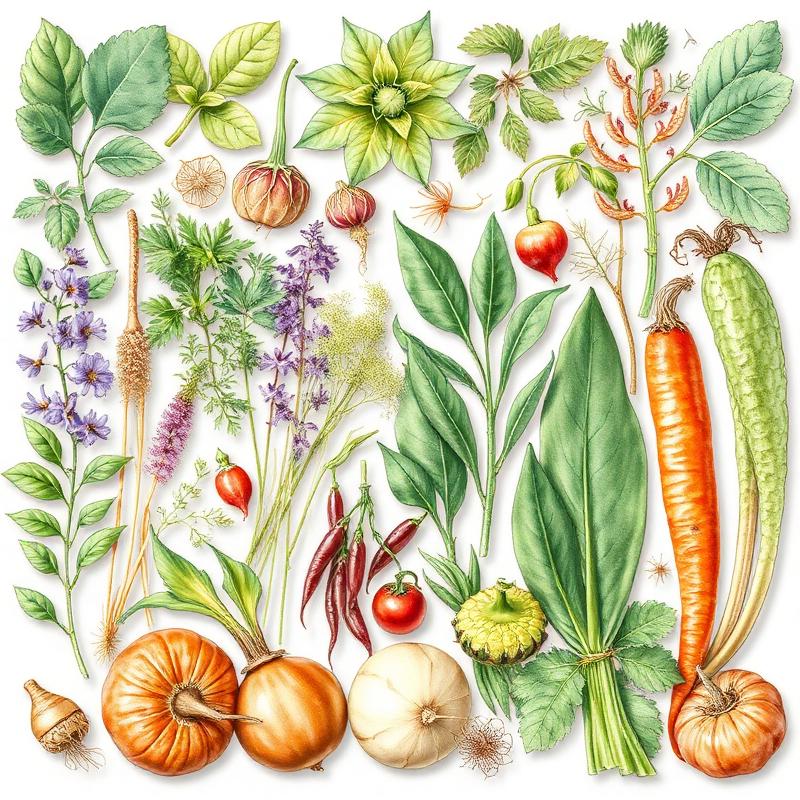
Maharashtra is home to more than 300 types of wild vegetables. Many of these vegetables are rich in vitamins, minerals, fiber, and antioxidants, making them an important part of local nutrition.

Many wild vegetables are used in traditional remedies due to their anti-inflammatory, digestive, and detoxifying properties. Consuming them during the monsoon season helps the body adapt to climatic changes and boosts overall health.

These plants also play an important ecological role by preserving biodiversity, supporting pollinators, and maintaining the natural food chain. Harvesting wild vegetables sustainably ensures that these valuable species continue to thrive for future generations.

Collection of wild plants

Project โ€“ Maharashtra Gene Bank (MGB) Information

Project Title

Establishing a Germplasm Bank for Conservation of Wild Edible Food Plants of Satara District, Western Maharashtra, under the Maharashtra Gene Bank Project (MGB), Nagpur.

Project Implementing Authority

Maharashtra Gene Bank Project, Maharashtra State Biodiversity Board (MSBB), Nagpur.

Implemented by Dr. Prachi Kshirsagar, (Principal Investigator) Assistant Professor & Dr. Sanjay Kharat, (Co-Principal Investigator) Principal, PES, Modern College of Arts, Science & Commerce (Autonomous), Ganeshkhind, Puneโ€“16.

Objective of the Project

To document, conserve, and maintain genetic diversity of Wild Edible Food Plants of Satara District through a dedicated germplasm bank.

Key Research Components

  • Collection of wild edible plant species from Satara District
  • Development and maintenance of germplasm and seed banks
  • Field surveys, biodiversity documentation & data collection
  • Herbarium preparation and long-term sample preservation
  • Workshops and community awareness initiatives

Project Investigators

Principal Investigator Photo
Principal Investigator (PI)

Dr. Prachi Kshirsagar

Assistant Professor

Progressive Education Society's, Modern College of Arts, Science & Commerce (Autonomous),
Ganeshkhind, Pune โ€“ 16


Expertise: Ethnobotany, Ecology, Biodiversity Conservation
Role: Project leadership, scientific validation, data documentation

Co-Investigator Photo
Co-Principal Investigator (Co-PI)

Dr. Sanjay Kharat

Principal

Progressive Education Society's, Modern College of Arts, Science & Commerce (Autonomous),
Ganeshkhind, Pune โ€“ 16


Expertise: Fish and Avian Ecology, Biodiversity Conservation
Role: Field survey guidance, ecological insights, project supervision

Project Scope

A comprehensive initiative to document, conserve, and promote the wild edible plant heritage of Satara

๐ŸŒฑ

Field Surveys & Data Collection

Survey all Satara talukas to document wild edible plant species and their habitats.

Conservation Research Community
๐ŸŒฟ

Seed & Germplasm Collection

Collect seeds and maintain germplasm to conserve genetic diversity long-term.

Conservation Research Community
๐Ÿ“˜

Herbarium Preparation

Prepare herbarium specimens and document scientific data for research and education.

Conservation Research Community
๐Ÿ‘ฉโ€๐Ÿซ

Community Awareness & Workshops

Organize workshops to educate locals and promote sustainable harvesting.

Conservation Research Community
๐ŸŒŸ

Research & Dissemination

Publish findings, promote traditional knowledge, and create opportunities for researchers.

Conservation Research Community

Features of This Website

๐ŸŒฟ
Taluka Selection

Explore information about wild vegetables based on Sataraโ€™s talukas.

๐Ÿ”
Advanced Search

Search by plant name, family, season, or geographic distribution.

๐Ÿฒ
Recipes

Discover traditional recipes made using wild vegetables.

๐Ÿ“ธ
Plant Gallery

High-quality images of wild edible plants found across Satara.

๐Ÿ“˜
Plant Details

Complete details: family, habitat, uses, flowering season & more.

โ˜€๏ธ
Season Filters

Find plants based on their growing season: monsoon, winter, summer.

Key Highlights

Propagation
  • Seeds collected from mature wild plants
  • Germination carried out under controlled conditions
  • Seedlings transplanted into designated conservation plots
  • Maintained using natural farming methods without chemicals
Medicinal Properties
  • Helpful in managing blood pressure and diabetes
  • Boosts immunity
  • Improves digestion
  • Helps in detoxifying the body and improving liver function